Blog
The Safety and Science of Peptide Therapy

Imagine your body is like a giant city, and peptides are the messengers running around delivering important notes to keep everything working smoothly. These tiny messengers help your body do everything from healing a cut to keeping your skin looking fresh. But what happens when your body needs a little extra help? That’s where peptide therapy comes in!
Peptide therapy is like hiring a team of super messengers to give your body the boost it needs. It’s used for all kinds of things, like helping people feel younger, recover faster, or even manage health conditions. But with all the buzz around peptides, you might be wondering: Is this safe? Does it really work?
Don’t worry—those are great questions! In this blog, we’re going to break it all down for you. We’ll talk about the science behind peptides, how they’re tested to make sure they’re safe, and the rules in place to keep everything on track. By the end, you’ll have the peace of mind you need to understand why so many people are excited about peptide therapy. Let’s dive in!
What is Peptide Therapy?
Peptide therapy might sound like something out of a sci-fi movie, but it’s based on science that’s been around for decades. To understand how it works, let’s start with the basics: What are peptides?
Peptides are tiny chains of amino acids, which are the building blocks of life. Think of amino acids like Lego pieces.
When you snap a few of them together (around 2 to 50 amino acids) you get a peptide. Snap a whole bunch together, and you get a protein (50+ amino acids).
So, peptides are like the smaller cousins of proteins, they’re shorter, but they pack a big punch!
In your body, peptides act like messengers. They travel around, delivering instructions to your cells.
For example, some peptides tell your body to heal a wound, while others might tell your skin to make more collagen (the stuff that keeps your skin firm and smooth).
It’s like having a team of tiny helpers working behind the scenes to keep you healthy and feeling good.
Here are some common uses of peptide therapy, all backed by science and, in some cases, approved by the FDA (Food and Drug Administration):
- Healing and Recovery: Certain peptides can help your body repair tissues faster, making them useful for injuries or surgeries.
- Hormone Regulation: Some peptides help balance hormones, which can improve energy, sleep, and even weight management.
- Skin Health: Peptides are popular in skincare for their ability to reduce wrinkles and improve skin texture by boosting collagen production.
- Chronic Conditions: FDA-approved peptides, like insulin, are used to manage conditions such as diabetes.
But here’s the coolest part: peptides are super specific. It’s like having a key that only fits one lock.
Each peptide is designed to do one job really well, whether it’s healing, boosting immunity, or something else.
Here’s the important part: not all peptides are created equal. In the USA, the FDA regulates peptides to ensure they’re safe and effective for specific uses.
This means that any peptide therapy you receive should be backed by rigorous testing and approved for its intended purpose.
The Science and Safety Behind Peptide Therapy
Now that we know what peptide therapy is, let’s dive into the science behind it. How do these tiny molecules go from being made in a lab to helping your body?
It’s a fascinating process that involves careful research, testing, and regulation.
How Peptides Are Made
Peptides are created in labs using a process called chemical synthesis.
Imagine building a necklace with tiny beads. Each bead is an amino acid, and scientists carefully string them together in a specific order to create the perfect peptide.
This process is incredibly precise because even one wrong bead (or amino acid) can change how the peptide works.
Once the peptide is made, it’s purified to remove any impurities. Think of it like filtering water to make sure it’s clean and safe to drink. This step is crucial to ensure the peptide is pure and effective.
How Peptides Work in the Body
Peptides are like keys that fit into specific locks in your body. These “locks” are called receptors, which are like tiny doors on the surface of your cells.
When a peptide binds to its receptor, it delivers a message that tells the cell what to do.
For example:
- A peptide might tell a skin cell to make more collagen, which helps reduce wrinkles.
- Another peptide might signal your immune system to fight off an infection.
- Some peptides can even tell your body to release hormones that help you sleep better or feel more energized.
Because peptides are so specific, they only interact with the cells they’re supposed to.
This makes them highly effective and reduces the risk of side effects. It’s like sending a text message directly to one person instead of shouting it to a crowd, you get the right message to the right place.
The Science Behind the Safety
In the USA, the FDA plays a key role in ensuring peptide therapies are safe and effective.
Before a peptide can be approved for use, it goes through a rigorous testing process called clinical trials. These trials are done in phases:
- Phase 1: Tests the peptide on a small group of people to make sure it’s safe.
- Phase 2: Tests the peptide on a larger group to see if it works for its intended purpose.
- Phase 3: Tests the peptide on an even larger group to confirm its safety and effectiveness.
Only after passing all these tests can a peptide be approved by the FDA for specific uses.
This process ensures that any peptide therapy you receive has been thoroughly vetted and is backed by solid scientific evidence.
Potential Side Effects and How They’re Minimized
Like any treatment, peptide therapy can have side effects, but these are usually mild and manageable. Common side effects may include:
- Redness or swelling at the injection site (for injectable peptides).
- Mild nausea or headaches.
- Temporary changes in appetite or energy levels.
To minimize side effects:
- Peptides are carefully dosed based on clinical trial data.
- Healthcare providers monitor patients closely during treatment.
- Patients are advised to follow usage instructions carefully.
The Importance of Working with Licensed Healthcare Providers
One of the best ways to ensure the safety of peptide therapy is to work with a licensed healthcare provider. They can:
Prescribe FDA-approved peptides for specific conditions.
Monitor your progress and adjust your treatment as needed.
Provide guidance on proper usage and potential side effects.
Real-World Examples of FDA-Approved Peptides
Peptide therapy isn’t just a theory, it’s already helping people in real life. Here are some examples of FDA-approved peptides and their uses:
- Insulin:
Used to treat diabetes, insulin is one of the most well-known peptides. It helps regulate blood sugar levels and has been a lifesaver for millions of people.
- Liraglutide (Victoza/Saxenda):
This peptide is approved for treating type 2 diabetes and, in higher doses, for weight management. It works by slowing digestion and helping the body release insulin when needed.
- Semaglutide (Ozempic/Wegovy):
Another peptide for diabetes and weight loss, semaglutide has gained popularity for its ability to help people manage their weight effectively.
- Tesamorelin (Egrifta):
This peptide is used to reduce excess abdominal fat in people with HIV. It works by stimulating the body to produce growth hormone.
- Bremelanotide (Vyleesi):
Approved for treating low sexual desire in women, this peptide works by activating receptors in the brain that are involved in sexual arousal.
These FDA-approved peptides show how powerful and versatile peptide therapy can be when it’s backed by rigorous science and testing.
Using peptides without medical supervision, especially research-grade peptides can be risky and is not recommended. Always consult a professional to ensure you’re using peptides safely and effectively.
Rigorous Testing for Safety and Quality
When it comes to peptide therapy, safety and quality are non-negotiable.
Before any peptide can be used, whether in a medical treatment, skincare product, or fitness supplement, it must go through rigorous testing to ensure it’s pure, stable, and effective.
Let’s take a closer look at how this process works and why it matters.
Testing for Purity
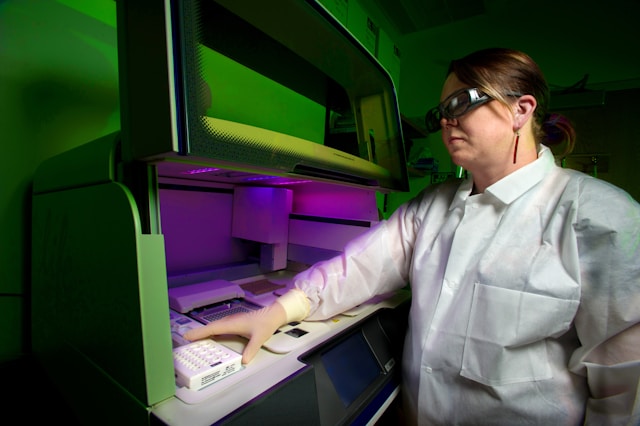
Purity is one of the most important factors in peptide therapy. Impurities in a peptide can not only make it less effective but also potentially harmful. To ensure purity, peptides undergo a process called High-Performance Liquid Chromatography (HPLC).
- How It Works: HPLC is like a high-tech filter that separates the peptide from any unwanted substances. It’s similar to sifting flour to remove lumps—except in this case, scientists are removing impurities at a microscopic level.
- Why It Matters: The FDA requires peptides to meet strict purity standards before they can be approved for use. This ensures that the peptide you’re getting is clean, safe, and effective.
Testing for Stability
Peptides need to be stable to work properly. Stability testing checks whether a peptide can maintain its structure and function under different conditions, such as temperature changes or exposure to light.
- How It Works: Scientists expose the peptide to various stressors (like heat or humidity) to see how it holds up. They also test how long the peptide remains effective when stored.
- Why It Matters: Stability testing ensures that the peptide will work as intended, whether it’s sitting on a shelf or being used in a treatment. The FDA requires stability data as part of the approval process for peptide-based drugs.
Testing for Bioavailability
Bioavailability refers to how well a peptide can be absorbed and used by the body. Even the purest, most stable peptide won’t help if your body can’t use it effectively.
- How It Works: Scientists test bioavailability by studying how the peptide behaves in the body. This includes looking at how it’s absorbed, distributed, metabolized, and excreted.
- Why It Matters: The FDA uses bioavailability data to determine the correct dosage and delivery method (like injections, pills, or creams) for each peptide. This ensures you get the right amount of the peptide in a form your body can use.
The Role of Third-Party Testing and Certifications
In addition to the testing done by manufacturers, many peptides are also tested by independent, third-party labs. These labs provide an extra layer of assurance by verifying the quality, purity, and potency of the peptides.
- How It Works: Third-party labs use the same rigorous testing methods (like HPLC) to analyze peptides. They then issue certifications to confirm that the peptides meet industry standards.
- Why It Matters: Third-party testing adds credibility and transparency. When you see a certification from a reputable lab, you can trust that the peptide has been thoroughly vetted and is safe to use.
FDA Regulations and the World of Peptides
When it comes to peptide therapy, the FDA (Food and Drug Administration) plays a critical role in ensuring safety and effectiveness.
However, not all peptides are treated the same way. Some are FDA-approved for specific uses, while others are still in the research phase. Let’s break down what this means and why it matters.
The FDA’s View on Peptides and Peptide-Based Treatments
The FDA regulates peptides as part of its mission to protect public health. For a peptide to be approved, it must go through a rigorous process that includes:
- Preclinical Testing: Lab and animal studies to assess safety and effectiveness.
- Clinical Trials: Human trials in three phases to confirm safety, dosage, and effectiveness.
- Manufacturing Standards: Strict guidelines to ensure the peptide is produced consistently and without contamination.
The FDA only approves peptides for specific uses, such as treating medical conditions or managing symptoms.
For example, insulin is an FDA-approved peptide used to treat diabetes, and liraglutide (Victoza) is approved for both diabetes and weight management.
However, the FDA also recognizes that peptides have potential beyond their current approved uses. This is why many peptides are still being studied in clinical trials to explore new applications, such as anti-aging, muscle recovery, and immune support.
FDA-Approved Peptides vs. Research-Grade Peptides
It’s important to understand the difference between FDA-approved peptides and research-grade peptides:
- FDA-Approved Peptides:
- These peptides have been thoroughly tested and approved by the FDA for specific uses.
- They are available by prescription and are considered safe and effective for their intended purpose.
- Examples:
- Insulin: For diabetes management.
- Semaglutide (Ozempic/Wegovy): For type 2 diabetes and weight loss.
- Tesamorelin (Egrifta): For reducing abdominal fat in HIV patients.
- Research-Grade Peptides:
- These peptides are still being studied and are not yet approved by the FDA for human use.
- They are often used in clinical trials or laboratory research to explore potential benefits.
- Examples:
- BPC-157: Studied for its potential to heal injuries and reduce inflammation.
- Epithalon: Investigated for its anti-aging properties.
- Thymosin Beta-4: Researched for its role in tissue repair and regeneration.
While research-grade peptides show promise, they are not legally available for general use in the USA. Using them outside of a clinical trial or research setting can be risky and is often illegal.
As per FDA regulation, we only sell peptides here at Clear Peptide for laboratory use.
Conclusion
From FDA-approved treatments for conditions like diabetes to cutting-edge research on anti-aging and recovery, peptides are opening up new possibilities for improving lives.
However, as with any medical treatment, it’s important to approach peptide therapy responsibly.
Always consult a licensed healthcare professional before starting any peptide treatment.
They can help you determine if peptide therapy is right for you, recommend FDA-approved options, and guide you through the process to ensure safety and effectiveness.
The future of peptide therapy is incredibly bright. Scientists are constantly discovering new ways to harness the power of peptides, from developing smarter, more targeted treatments to exploring innovative delivery methods.
As research continues, we can expect even more breakthroughs that will make peptide therapy accessible, effective, and life-changing for people around the world.